
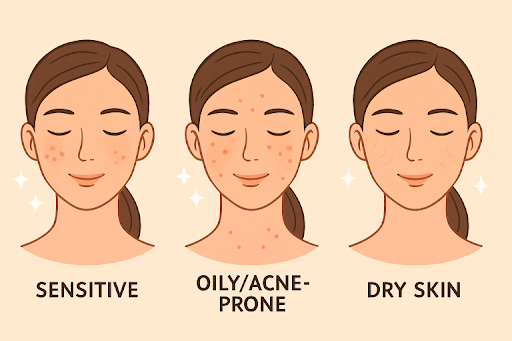
Microdermabrasion has become a go-to treatment for individuals looking to rejuvenate their complexion through gentle exfoliation and improved skin texture. As a non-invasive resurfacing procedure, it is suitable for a wide variety of skin types when tailored appropriately. But how does this treatment interact with your unique skin type, and what should you consider before booking a microdermabrasion Virginia Beach appointment? From understanding the technology to recognizing the nuances of sensitive, oily, and dry skin, exploring these details will help you achieve the best results while keeping your skin healthy and glowing.
This article examines the benefits, customization options, and considerations of microdermabrasion for various skin types—helping you make an informed, skin-conscious decision before your next session. With the right knowledge and the guidance of skincare professionals, you can enhance your skin safely and effectively with this popular treatment.
Understanding Microdermabrasion
Microdermabrasion works by removing the outer layer of dead skin cells using a specialized hand-held device—either with fine crystals or a diamond-tipped wand. This gentle abrasion simultaneously vacuums away debris, stimulating collagen production for increased firmness and elasticity. Unlike many other skin rejuvenation methods, microdermabrasion is minimally invasive and involves little to no downtime, making it a favored choice for those seeking noticeable improvements without significant recovery time. Studies have shown that regular treatments can smooth rough texture, brighten dull complexions, and even temporarily reduce the appearance of fine lines and superficial scars.
For those interested in a low-risk, quick, and effective facial treatment, microdermabrasion offers an attractive alternative. It’s important, however, to understand how equipment settings, exfoliant strength, and treatment frequency can be adapted to suit a wide range of skin types and conditions for optimal safety and efficacy.
Microdermabrasion for Sensitive Skin
Sensitive skin types must always exercise caution with exfoliating treatments, as they can trigger redness, irritation, and inflammation if not properly administered. The positive news is that microdermabrasion can be modified to accommodate highly reactive skin. Techniques such as hydradermabrasion (a treatment combining exfoliation with a continuous flow of moisturizing serums) gently polish the skin while providing soothing hydration. This method minimizes abrasive friction and calms sensitivity throughout the session. Additionally, technicians can adjust suction power and abrasive intensity, starting with the mildest settings for newcomers or those prone to irritation and gradually increasing as the skin’s tolerance builds.
Microdermabrasion for Oily and Acne-Prone Skin
Oily and acne-prone skin often struggles with clogged pores, blackheads, and post-acne marks. Microdermabrasion is particularly beneficial for these concerns, offering thorough exfoliation that clears debris from pores and reduces the buildup of dead skin cells that contribute to breakouts. Over time, consistent treatments can lead to refined skin texture and reduced visible pores—while also improving the efficacy of topical medications and serums.
However, caution is essential for those experiencing active, inflamed breakouts. Performing microdermabrasion on pustular or cystic acne may worsen irritation and spread bacteria, exacerbating symptoms rather than providing relief. Consulting a dermatologist is advised, ensuring the timing and frequency of treatments are tailored to your current skin condition for safe, visible improvement.
Microdermabrasion for Dry Skin
Dry skin is prone to flakiness, rough patches, and dullness—symptoms that can be dramatically improved with microdermabrasion. By gently removing the layer of dead, dry skin cells, the treatment allows hydrating products and serums to penetrate more deeply and work more effectively. This enhanced absorption boosts skin moisture and leaves the complexion softer and more radiant. For optimal hydration and to maximize the treatment’s benefits, a rich, emollient moisturizer and occasional hydrating masks should be used after each session. Sun protection is also crucial, as newly exfoliated skin is temporarily more sensitive to UV damage.
Potential Side Effects and Considerations
Most individuals tolerate microdermabrasion well, with only mild and temporary side effects such as slight redness, tenderness, or mild swelling. These symptoms generally resolve within hours, though some individuals with sensitive or reactive skin types may notice effects lasting a day or two. Following all post-care guidelines—like avoiding harsh products and shielding skin from direct sun exposure—helps prevent complications and preserves the smooth, refreshed results. Those with certain medical conditions or current medications that cause skin fragility should always inform their provider before scheduling the procedure.
Consulting with a Skincare Professional
The expertise of a trained skincare professional is essential to the safety and success of your microdermabrasion treatment. These specialists will evaluate your skin type, assess personal goals, and identify any contraindications that could affect your eligibility for the procedure. Together, you can select the method, intensity, and frequency of sessions best suited to your needs—delivering maximum benefit with minimal risk. Regular check-ins also ensure that your skincare regimen continues to align with changes in your skin, lifestyle, and environment over time.
Conclusion
Microdermabrasion stands out as a versatile and highly customizable procedure for enhancing the health and appearance of a wide range of skin types. By leveraging the expertise of skincare professionals and remaining attentive to your skin’s unique needs, you can enjoy smoother, brighter, and more even-toned skin with minimal recovery. If you’re considering a treatment, educate yourself on the options and always partner with a certified provider for the best results now and in the future.