
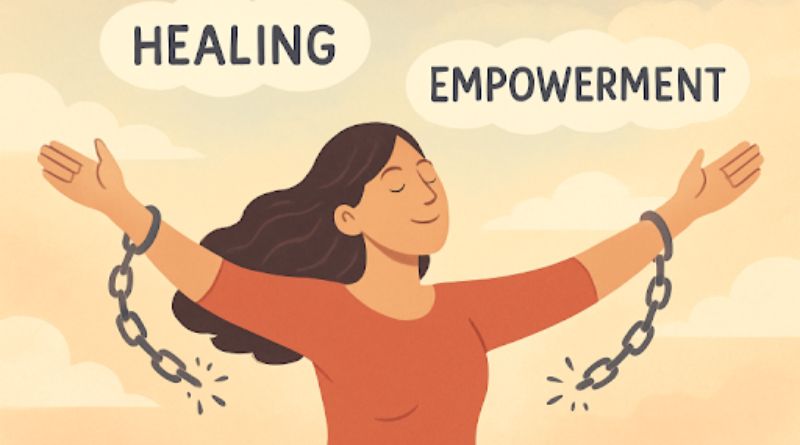
Trauma touches every facet of a woman’s life, deeply influencing mental, emotional, and even physical health outcomes. For those on a path toward recovery, specialized care is essential. Finding dedicated support at a women’s treatment center in Ogden, UT can mark a turning point, offering trauma-specific treatment that recognizes and heals wounds unique to women’s experiences. This compassionate and individualized approach not only acknowledges the reality of trauma but also empowers women to reclaim control over their lives.
Women often face trauma uniquely, encountering dangers like sexual assault, domestic violence, and childhood abuse, which lead to complex psychological challenges requiring specialized healing. Trauma-informed care provides a safe, supportive space that fosters trust and resilience. Left untreated, trauma can result in persistent issues such as anxiety, depression, and substance abuse. Personalized treatment helps women identify and address root causes, encouraging lasting recovery. Supporting women also means breaking down stigma and financial obstacles to ensure access to quality care and community support for meaningful progress.
Understanding Trauma in Women
Women face trauma in ways that can differ significantly from those experienced by men, and they are statistically more likely to endure specific types of traumatic events. According to the National Institute of Mental Health, women report higher rates of PTSD following trauma, especially after incidents like sexual assault or domestic violence. Societal pressures, cultural expectations, and the additional burden of stigma can complicate recovery, making gender-informed approaches essential in treatment settings.
Trauma-Informed Care: A Foundation for Healing
Trauma-informed care recognizes the widespread impact of trauma and the diverse ways it surfaces in women’s lives. Rather than focusing solely on symptoms, this approach seeks to understand each woman’s story, creating a collaborative and trustworthy space. Providers practicing trauma-informed care prioritize safety, transparency, empowerment, and peer support, ensuring that every woman feels seen and heard during treatment. Attention to cultural backgrounds and sensitivity to personal histories fosters healing while avoiding re-traumatization.
Effective Therapeutic Approaches
Clinical evidence supports several therapeutic modalities for women healing from trauma:
- Cognitive-Behavioral Therapy (CBT):CBT is a goal-oriented approach that helps women reframe unhelpful thought patterns and behaviors that stem from traumatic experiences. It provides practical tools for managing distressing emotions and promoting positive growth.
- Eye Movement Desensitization and Reprocessing (EMDR): EMDR is especially effective for trauma survivors. By recalling traumatic memories while engaging in guided bilateral stimulation, women can process distress and reduce the emotional charge tied to painful events.
- Holistic Methods: Complementary practices such as mindfulness, yoga, and creative therapies encourage mind-body healing. These methods address the physical symptoms of trauma and nurture a sense of self-compassion and inner calm.
Integrating a variety of therapeutic methods can be particularly beneficial in helping women address trauma’s wide-ranging effects.
The Role of Support Networks
Community and social support are integral to successful trauma recovery. Organizations such as the Breaking Free Foundation focus on holistic care, building supportive environments where women can connect, share, and heal. Group therapy, peer mentors, and family involvement all provide layers of encouragement, helping women feel less isolated and more empowered throughout their healing process.
Addressing Barriers to Treatment
Accessing trauma-specific care is not always straightforward for women. Financial constraints, societal stigma, and limited local resources can pose significant challenges. Initiatives such as the Women’s Scholarship Fund, created by the Divided Sky Foundation, aim to remove cost barriers and increase access to tailored treatment. Community-driven efforts, awareness campaigns, and expanded funding help ensure that more women get the support and services they need to overcome trauma.
Innovations in Trauma Therapy
Advances in trauma therapy bring new possibilities for supporting survivors. Training programs for professionals, such as Trauma-Informed Stabilization Treatment (TIST), equip therapists to work with complex trauma presentations, including dissociation and chronic emotional dysregulation. These frameworks improve the quality and depth of care available to women, ensuring that even those with multiple or severe trauma histories have access to compassionate, effective therapy.
Conclusion
Every woman’s journey through trauma and recovery is unique, but the need for empathetic, specialized care unites those paths. Trauma-specific treatment centers that respect women’s experiences, address barriers to access, and offer innovative therapeutic options are fundamental to real healing. By building communities of support and empowering women with effective tools for recovery, it becomes possible to break free from the bonds of trauma and inspire hope for the future.