
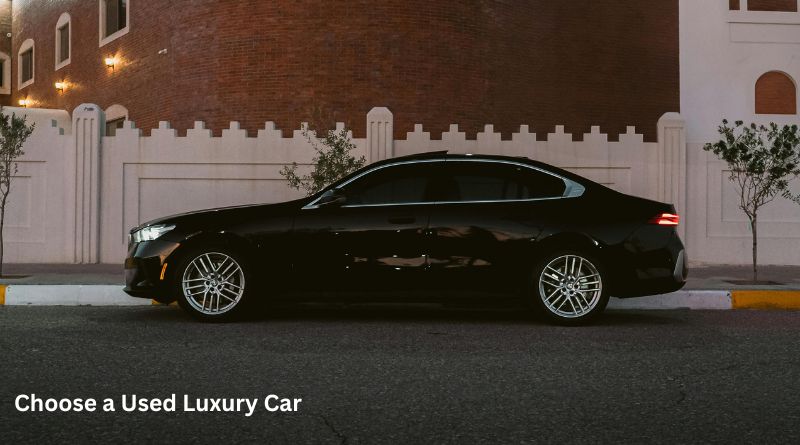
Purchasing a used luxury car is a practical way to enjoy sophisticated engineering and elegant amenities at a fraction of the cost of buying new. While luxury cars tend to depreciate heavily during their first few years, savvy buyers can leverage this depreciation to access top-tier vehicles at a more approachable price. If you’re searching for a way to enhance your driving experience, checking out a trusted Bentley pre owned inventory can open the door to high-end options with outstanding value.
It’s important, however, to approach the process with care. Unlike standard vehicles, luxury cars require more in-depth research and a clear understanding of total ownership costs to ensure the investment makes sense for you. Knowing where to look and what to watch for will help you find the right vehicle that fits your needs, budget, and personal style. By applying a thoughtful strategy from the start, buyers can maximize their satisfaction and avoid common pitfalls along the way.
Benefits of Buying a Used Luxury Car
Stepping into a luxury vehicle is about more than just transportation. High-end brands like Bentley, Mercedes, and Lexus offer a blend of performance, comfort, and technology that mass-market models simply cannot match. Buying used allows you to experience these advantages at a lower price point.
- Significant Cost Savings: New luxury cars typically lose 20-30% of their value within the first year, which means buyers of pre-owned luxury models can save thousands while still driving in style.
- Premium Features for Less: Older luxury cars often retain features like leather interiors, advanced driver assistance systems, and high-quality sound systems that remain competitive with new vehicles outside the luxury segment.
- Lower Insurance Payments: Insurance costs decrease as cars depreciate. A used luxury vehicle generally carries a lower premium than a new one of the same class.
In addition, many used luxury vehicles are impeccably maintained by previous owners. This means buyers can find well-cared-for models that continue to perform at a high level with proper upkeep over time.
Researching Models and Market Values
Proper research is essential before committing to any used luxury vehicle. Begin by comparing models online. Reputable sites such as Edmunds and Kelley Blue Book offer detailed reviews, owner ratings, and reliability scores. Look for brands and models that are known for holding their value, requiring fewer repairs, or having accessible replacement parts.
Beyond features and eye appeal, take time to read about common issues associated with specific makes or models. Some luxury brands have models notorious for costly repairs down the road, so understanding potential long-term costs is critical.
Checking Vehicle History Reports
For any pre-owned vehicle, a detailed vehicle history report should be non-negotiable. Services like Carfax or AutoCheck provide crucial details such as accident records, previous ownership, and reported maintenance or repairs. Reviewing the report helps confirm that the vehicle is free from title issues, flood damage, or major collisions, any of which can impact safety, performance, and resale value.
If you ever see inconsistencies or gaps in a car’s service history, ask the seller for additional documentation or clarification. Transparency in this area is key, and reluctance from a seller to share full records should be a warning sign.
Conducting Professional Inspections
No matter how flawless a used luxury car might appear, buyers should always seek a comprehensive inspection by a qualified mechanic or specialist familiar with the brand. Authorized service centers have access to proprietary diagnostic tools and up-to-date knowledge about model-specific issues. They can identify hidden problems such as electrical faults, transmission wear, or out-of-date software, issues that might be costly to fix after purchase.
For added peace of mind, consider arranging your inspection at a dealership associated with the vehicle’s brand. This ensures that the technicians reviewing the car understand common wear patterns and can check for updates or recalls specific to your model.
Considering Certified Pre-Owned Programs
Certified Pre-Owned (CPO) programs are a valuable safety net for used luxury car buyers. Major manufacturers back CPO vehicles with extensive inspections, extended warranties, and services like roadside assistance or courtesy vehicles. These benefits can greatly reduce the risk and expense of unexpected repair bills. CPO models often endure inspections that cover hundreds of checkpoints, giving buyers greater confidence in quality and reliability.
Evaluating Ownership Costs
It’s important to remember that ownership costs extend far beyond the purchase price. Luxury cars typically require premium fuel, carry higher maintenance expenses, and may demand specialized parts and labor for repairs. Insurance premiums, though reduced compared to new luxury models, still tend to be above those of mainstream vehicles. Set aside a budget for regular maintenance and consider extended warranty options to cover unexpected breakdowns.
Negotiating the Best Price
Armed with market data from trusted guides like Kelley Blue Book and solid knowledge of the car’s condition and history, you can negotiate from a position of strength. Don’t hesitate to discuss issues discovered during inspections or reflected in history reports, as these can justify a lower selling price. Be respectful yet firm, and remain prepared to continue your search elsewhere if the seller is unwilling to meet fair terms. Patience is key. Waiting for the right deal often results in long-term satisfaction.
Conclusion
A used luxury car can combine prestige and performance with practical savings, but the key to success lies in meticulous research and careful decision-making. By understanding the benefits and potential pitfalls, examining every detail, and staying diligent from start to finish, buyers can find a luxury vehicle that remains a satisfying and sound investment for years to come.