
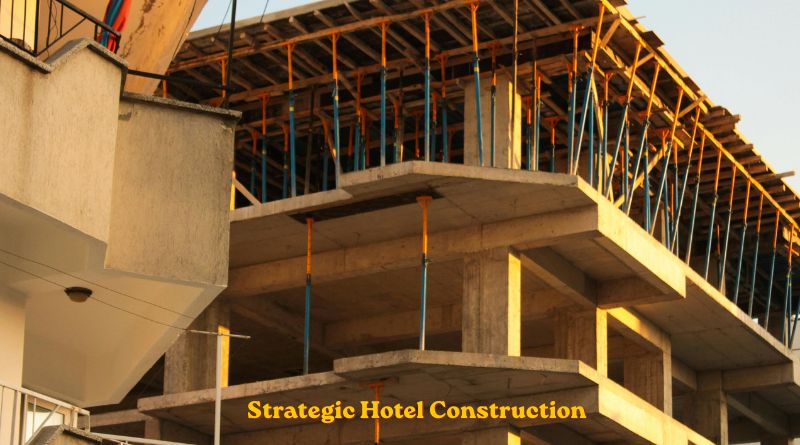
How strategic hotel construction shapes memorable stays begins long before guests step into a lobby. Every element, from spatial planning and structural design to material selection and guest flow, contributes to how a property is experienced. Thoughtful construction decisions influence comfort, functionality, and atmosphere, helping transform a building into a destination. When executed with a long-term vision, hotel development balances aesthetic appeal with durability and operational efficiency, ensuring that spaces remain inviting and practical for both guests and staff over time.
Across the wider construction industry, projects of this nature often draw on expertise found in commercial construction services in Idaho and comparable sectors, where planning, safety standards, and coordination between design and engineering teams are essential. These practices highlight how consistent construction principles can shape hospitality spaces, supporting both guest satisfaction and functional performance without focusing on a single location or provider across diverse development contexts globally.
Embracing Local Culture Through Design
Integrating local culture into hotel architecture creates a sense of authenticity that modern travelers increasingly seek. By repurposing historic buildings or drawing on distinctive regional materials, hotels can offer guests something far beyond the generic. Adaptive reuse of historic factories, warehouses, and even office towers has led to the emergence of boutique hotels with rich stories and unique personalities, anchoring visitors in the destination’s cultural heritage.
Incorporating signature art, native landscaping, and locally sourced décor can meaningfully reflect community identity. Guests appreciate the thoughtful design that celebrates the destination, resulting in higher satisfaction scores and repeat visits.
Prioritizing Sustainability in Construction
Eco-conscious travel is more than a passing trend. The global hospitality sector is embracing sustainability at every stage, from the blueprints to the final build. Hotels that use recycled materials, invest in advanced HVAC systems, and implement water-saving fixtures demonstrate a concrete commitment to the environment. Green building certifications such as LEED are increasingly a deciding factor for both travelers and investors, and climate-responsive design is now standard for new properties.
Sustainable construction also supports long-term operational efficiency, helping hotels reduce costs and enhance brand reputation with guests who care about the planet.
Integrating Biophilic Design Elements
Biophilic design incorporates elements of nature, such as natural light, indoor greenery, and organic materials, to enhance well-being and create inviting spaces. Hotels with living walls, atrium gardens, and water features foster relaxation and improve indoor air quality. Studies show that biophilic environments contribute to lower stress levels and increased guest satisfaction, establishing a direct connection between the built environment and positive emotional responses.
Adapting to Technological Advancements
Technology has become a non-negotiable component of modern hotel construction. Seamless guest experiences often depend on convenient digital amenities such as app-based check-in, smart room controls, and lightning-fast WiFi. Recent advances allow guests to adjust lighting, climate, and entertainment from their smartphones. Throughout the property, energy management systems optimize efficiency, while modern security features like keyless entry and digital concierge services redefine convenience. The implementation of smart technology correlates strongly with higher guest ratings and positive online reviews.
Designing for Flexibility and Extended Stays
The rise of “bleisure” travel, where guests combine business and leisure, has accelerated demand for flexible spaces and extended-stay properties. Modern hotel rooms now double as functional apartments, featuring kitchenettes, adaptable workspaces, and generous living areas. Public areas transform throughout the day, morphing from energizing co-working hubs to relaxing social lounges in the evening. These spaces effortlessly blend work and play, responding to new guest expectations while increasing the property’s versatility and occupancy rates.
Enhancing Guest Experience Through Art
Art has a transformative effect on hospitality spaces, turning a simple stay into a culturally rich experience. Custom murals, rotating gallery exhibitions, and statement installations surprise and delight guests, sparking conversation and emotion. Hotels that curate local artwork stand out as vibrant cultural destinations, with lobbies and rooms that inspire and energize. Art-centric hotels often achieve higher engagement and rave reviews, resonating strongly with both first-time visitors and regulars.
Fostering Community Engagement
The most memorable hotels blur the line between private sanctuary and local gathering spot. Through partnerships with local artisans, chefs, and event organizers, hotels provide guests with an immediate sense of place and community. Hosting public events, featuring regionally inspired cuisine, and collaborating with artists nurtures this dynamic energy. Such connections enhance guest loyalty, support local businesses, and reinforce the hotel’s role as a valued member of the neighborhood.
Conclusion
Strategic hotel development is fundamental to shaping the guest experience. Incorporating local culture, promoting sustainability, emphasizing biophilic and technological innovations, designing flexible spaces, integrating art, and fostering lively communities enable hotels to consistently surpass guest expectations. Every decision in design and construction is an investment not only in the building but in creating memorable, meaningful stays that guests want to revisit and recommend repeatedly.