
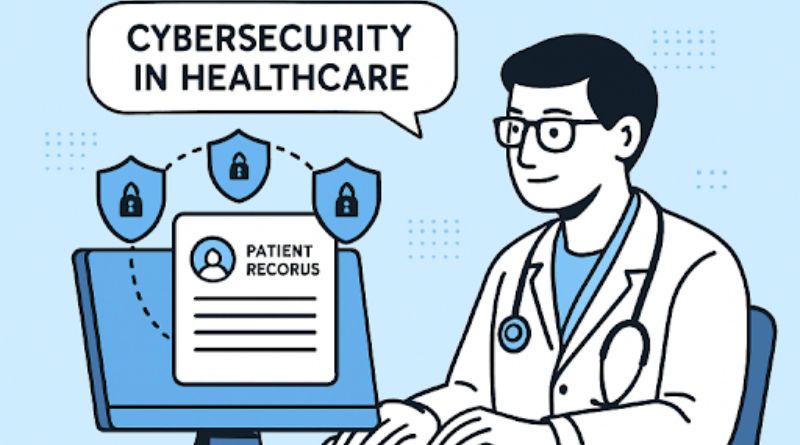
As healthcare organizations increasingly depend on digital systems to deliver critical services, the risk of cyber threats targeting patient data has never been higher. As the sophistication of cyberattacks continues to evolve, medical organizations must adopt industry-leading healthcare cybersecurity solutions for medical device security and the protection of patient records. Robust defenses not only shield sensitive health information but also ensure the continuity of quality care for patients in a digital-first era.
Recent years have seen an alarming rise in ransomware, phishing schemes, and vulnerabilities within the sector, making it imperative for healthcare leaders to reevaluate and reinforce their cybersecurity frameworks. Not only are data breaches costly and damaging to an organization’s reputation, but they can also lead to serious legal, regulatory, and clinical consequences. Adopting a proactive cybersecurity posture is no longer optional—it’s a foundational pillar of responsible and resilient healthcare delivery.
Implementing layered defenses, following structured security protocols, and investing in staff education will help mitigate threats and create a culture of cyber vigilance across practice environments. As digital transformation accelerates, upholding high standards for cybersecurity stands as a vital safeguard for both patient well-being and organizational integrity.
Healthcare teams must also be aware of evolving laws and standards designed to protect electronic health records, such as the HIPAA Security Rule, and stay alert to changes that could impact compliance requirements or introduce new risk factors. Leading security frameworks from organizations like the Office of the National Coordinator for Health IT provide comprehensive guidance for staying ahead of cyber threats in clinical environments.
Adopt a Zero-Trust Approach
A zero-trust security framework challenges the traditional assumption that systems and individuals inside a network perimeter are trustworthy. Instead, every attempt to access resources is thoroughly scrutinized and continuously verified, regardless of the user’s location or affiliation. This means that even known devices or users must prove their legitimacy before gaining access to sensitive data or mission-critical applications. By minimizing implicit trust and ensuring least-privilege access, healthcare organizations can reduce their attack surface and prevent lateral movement by malicious actors.
Implement Strong Access Controls
Practical access controls form the backbone of effective cybersecurity. Role-Based Access Control (RBAC) assigns permissions based on each team member’s responsibilities, ensuring that only authorized individuals can view or modify sensitive patient records. Multi-Factor Authentication (MFA), meanwhile, bolsters login security by requiring users to provide additional proof of identity, such as a one-time passcode or a biometric scan, beyond a standard password. These mechanisms make it far more difficult for attackers to hijack accounts, even if credentials are compromised.
- Role-Based Access Control (RBAC):Ensure granular permissions are enforced and reviewed regularly.
- Multi-Factor Authentication (MFA):Implement MFA on all critical systems, especially those containing protected health information (PHI).
Regularly Update and Patch Systems
Outdated IT systems, operating software, and even networked medical devices can serve as entry points for cybercriminals. Healthcare organizations must regularly update and patch every component in their clinical environment to mitigate potential vulnerabilities. This includes not only desktop computers and mobile devices, but also frontline technologies such as infusion pumps, imaging machines, and patient monitoring tools. Automated patch management tools can help track and streamline this process. For further insights on the dangers of unpatched systems, see this advisory from CISA.
Encrypt Data at Rest and in Transit
Automatic encryption is an essential layer in a robust cybersecurity strategy. Data at rest—stored in databases, file servers, or backup storage—should be encrypted to prevent unauthorized access even if physical storage is compromised. Data in transit—moving between systems, devices, or over the internet—must also be encrypted using protocols such as TLS (Transport Layer Security) to ensure privacy as information is exchanged between clinicians, labs, or insurers. This dual-layer approach keeps ePHI protected wherever it resides.
Develop Comprehensive Incident Response and Disaster Recovery Plans
Preparation is fundamental to mitigating the impact of a cyber event. Advanced incident response plans outline processes for early detection, rapid containment, investigation, and effective communication. Key staff members must know their roles in every scenario, from minor security alerts to full-scale data breaches. Disaster recovery plans complement incident response by outlining how to restore operations and data as quickly as possible, prioritizing essential clinical services. For guidance on crafting such plans, review the U.S. Department of Health & Human Services recommendations.
- Incident Response Plan: Establish clear protocols and reporting structures for responding to security incidents.
- Disaster Recovery Plan: Ensure critical health services can continue or resume rapidly after disruptions.
Monitor Third-Party Vendors
Healthcare organizations frequently collaborate with external vendors for electronic health records, billing, analytics, and medical devices, but these partnerships can introduce new cybersecurity risks. Every third-party partner with data access should undergo a strict security assessment and continuous monitoring. Contracts must mandate compliance with established cybersecurity frameworks, and regular audits should verify adherence to the plan. This layer of oversight helps close potential gaps that could result from third-party weaknesses.
- Conduct vendor risk assessments before onboarding new partners.
- Include cybersecurity standards and breach-notification clauses in all service agreements.
- Periodically review and update vendor compliance requirements.
Educate and Train Staff
The human element is often the weakest link in healthcare cybersecurity. Ongoing employee training programs empower staff to recognize common threats such as phishing emails, social engineering, and unsafe internet practices. Simulation exercises and regular reminders about policies can reinforce good cyber hygiene. Creating a security-conscious organizational culture where team members feel responsible and supported in their vigilance is essential for mitigating risk.
Stay Informed on Regulatory Changes
Healthcare organizations must stay current with regulatory changes to avoid penalties and ensure patient protection. Regularly review requirements, such as the HIPAA Security Rule, and monitor for shifts prompted by new technology, the expansion of telehealth, or emerging risks. Partnering with legal and compliance experts and consulting external resources helps ensure security programs stay ahead of regulatory and threat landscapes.
Incorporating these best practices fortifies healthcare organizations against escalating cybersecurity threats. Prioritizing security at every level—from network architecture to staff training—ensures sensitive data is protected, critical services remain available, and patient trust is maintained in a drastically changing healthcare ecosystem.