
Key Takeaways
- Real-time data exchange enables faster and more informed decisions in emergencies.
- Technologies, including AI, IoT, and cloud platforms, greatly increase the situational awareness of first responders.
- Collaboration and ongoing technological advances are key to making real-time public safety data exchange systems successful.
Table of Contents
- Enhancing Situational Awareness
- Improving Response Times
- Case Studies in Real-Time Data Integration
- Challenges and Solutions
- Future Trends in Public Safety Data Exchange
- Conclusion
In today’s fast-paced world, public safety agencies are under increasing pressure to respond rapidly and effectively to emergencies. The demand for situational awareness and coordinated action has never been higher. By implementing real-time data exchange systems, emergency services are able to communicate seamlessly, access critical information instantly, and coordinate efforts across multiple agencies. To learn more about how advanced monitoring solutions are making this possible, click here.
Through the integration of cutting-edge technologies such as artificial intelligence (AI), the Internet of Things (IoT), and secure cloud platforms, public safety is evolving. These advancements allow first responders to monitor changing scenarios, receive live updates, and make decisions using comprehensive information streams. As agencies strive to protect communities, the convergence of data streams and modern technology is revolutionizing the way incidents are managed and lives are saved.
Effective communication and instant access to data enable emergency personnel to act decisively, minimizing damage and saving precious seconds when they matter most. As this new era of connectivity unfolds, the benefits of real-time data exchange are becoming crucial to ensuring public safety and supporting first responders as they face unprecedented challenges.
Alongside technology, collaborative efforts between different organizations, government agencies, and private-sector partners are essential. These partnerships provide the foundation for successful real-time data integration, removing longstanding barriers to effective crisis response while ensuring the security and accuracy of critical information.
Enhancing Situational Awareness
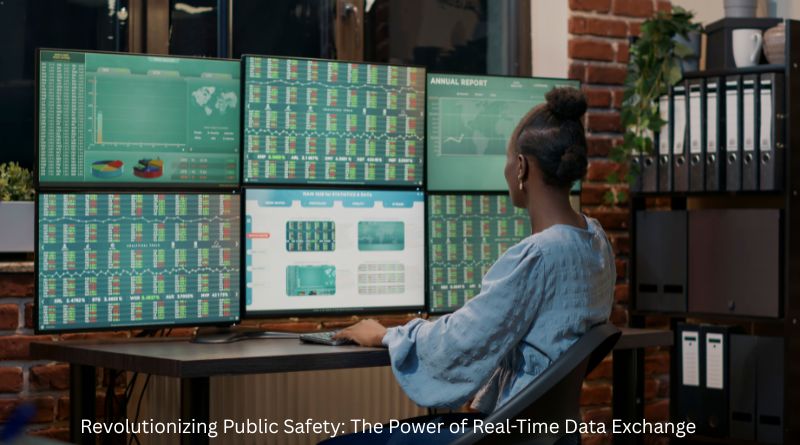
Real-time data exchange provides first responders with invaluable situational awareness. When agencies connect multiple data sources, such as surveillance feeds, social media, dispatch records, and license plate readers, they create a unified operational picture. This centralized approach does not just broaden visibility but enables real-time monitoring of developing incidents and streamlines the flow of accurate information to command centers and field units.
Benefits of Centralized Information
Instead of relying on piecemeal updates or manual call-ins, real-time data systems continuously update critical information, empowering decision-makers with insights needed for tactical and strategic actions. With an accurate, comprehensive view of a scenario as it unfolds, first responders can proactively anticipate threats, allocate resources efficiently, and minimize miscommunication.
Improving Response Times
What separates a routine incident from a major crisis often comes down to how quickly help arrives and how well responders understand the situation. Real-time data exchange ensures that emergency personnel have timely access to information, from location details and medical data to hazardous material warnings. Rapid dissemination of actionable data closes the gap between the time an incident is reported and when resources arrive on scene.
For medical emergencies specifically, instant data sharing between first responders and hospitals has been shown to improve survival rates and reduce complications. By receiving patients’ health data en route, hospitals can prepare for arrival, allocate the right resources, and coordinate care immediately.
Case Studies in Real-Time Data Integration
Various agencies across the country are leading the way in implementing integrated real-time data exchange systems to bolster public safety.
- Clovis Police Department’s Real-Time Information Center (RTIC):This operation has fostered safer, more effective policing by consolidating surveillance camera feeds, license plate readers, and dispatch information. The result is heightened officer safety, improved investigations, and better real-time tactical decisions.
- Seattle Fire Department’s Data Pipeline: By fusing dispatch data with patient care records, Seattle’s system gives leaders immediate insight into evolving emergency responses. This shift has highlighted where operational improvements were needed and streamlined coordination between EMS teams and hospitals.
Challenges and Solutions
Despite the clear benefits, implementing real-time data exchange brings its own set of challenges. Interoperability between different digital platforms can stall progress when systems are incompatible. Data privacy and security risks add complexity, particularly when transmitting sensitive information across agency boundaries. Addressing these hurdles requires both technological innovation and a commitment to secure, accessible data sharing.
Solutions like the RapidSOS Emergency Data Exchange (EDX) have made significant strides in solving these issues. By serving as a bridge between disparate systems, platforms like EDX facilitate seamless data flow and maintain high standards of privacy and security. These solutions have already helped numerous agencies build more resilient and responsive emergency infrastructures.
Future Trends in Public Safety Data Exchange
The future of public safety will center on increased automation, predictive analytics, and greater network reliability. Emerging trends include the deployment of drones for live video feeds, AI-powered threat detection, and wearable technology for first responders that captures vital signs and location data. For example, Verizon and Axon are collaborating to use advanced network slicing, prioritizing law enforcement and EMS data so that mission-critical information always gets through during peak demand. Further insights into next-generation police technology can be found at Police1’s coverage.
Conclusion
Real-time data exchange is redefining what is possible for public safety operations. By breaking down data silos, embracing new technologies, and investing in collaborative platforms, agencies are making communities safer and empowering first responders with resources previously unimaginable. As innovation continues, the timely connection of people, systems, and information will remain central to keeping the public secure and well protected.